
CAMBODIA'S TOP TRAVEL DESTINATIONS
Cambodia is a land of superlatives. The ancient ruins of Angkor rank amongst the world's most magnificent archaeological sites. The capital city Phnom Penh exudes history, as well as offers up some superb dining and a full-on nightlife. As yet unspoiled islands dot the Cambodian coast and quaint little provincial towns sit amongst strikingly beautiful countryside. And all this stands in stark contrast to the Killing Fields, Toul Sleng Museum and other reminders of the Khmer Rouge regime. Yet the Khmer people impress visitors as some of the friendliest, most welcoming people they have met. The ubiquitous Khmer smile is legendary, as is Cambodia hospitality.
Phnom Penh Cambodia
Capital of the Kingdom of Cambodia
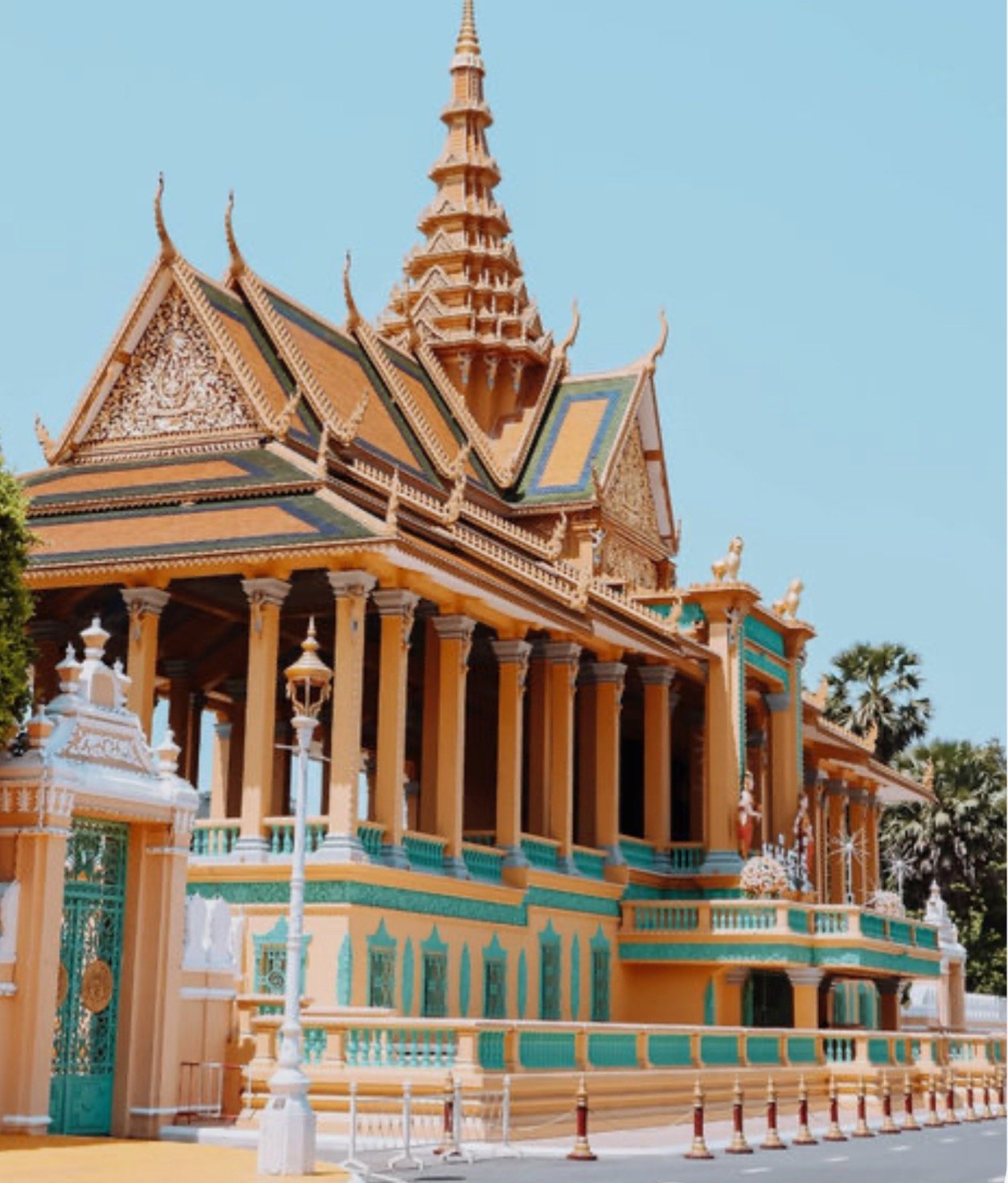
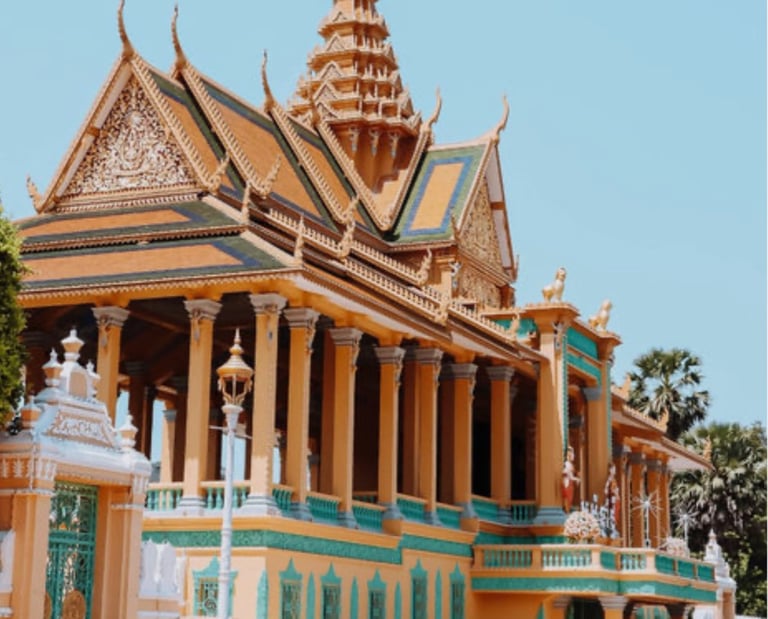
Phnom Penh is a city in the midst of rapid change. But as skyscrapers rise and fast food restaurants multiply, the city still offers that traditional old mixture of Cambodian hospitality and Indochinese charm. Set at the confluence of three great rivers - the Chaktomuk or ‘four faces’ of the Mekong River - Phnom Penh is a city of more than 3 million people and the country's commercial, economic and political hub. Though seeing significant development over the last 20 years, as a travel destination the city still has an adventurous air - from the historic sites and architecture, to the boutiques and bistros dotting the side streets, and the city’s legendary dusk-to-dawn nightlife.
Many of the tourist areas and sights are in the old central city near the river where you may notice classic old French buildings in classic colonial yellow amongst the Southeast Asian shophouses and traditional Khmer pagodas and markets. Sights in the area include the ornate Royal Palace, nearby National Museum, which is the most significant public repository of Khmer artifacts in the country, and the riverfront dining and shopping district. Khmer Rouge historical sites include the Toul Sleng Genocide Museum and the Choeung Ek Memorial. outside the city.
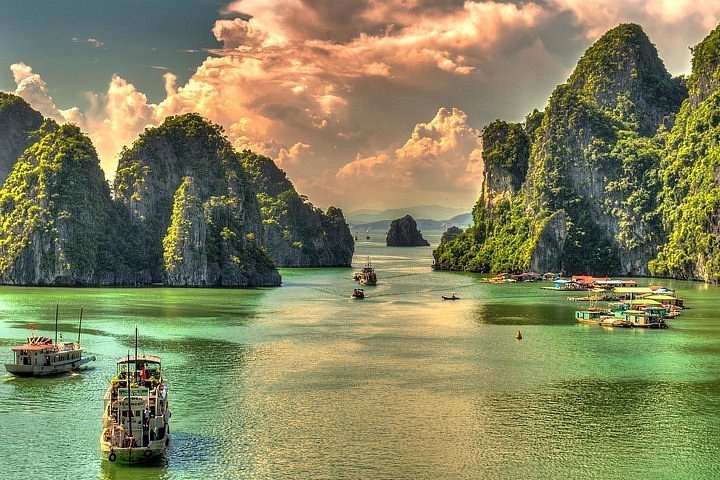
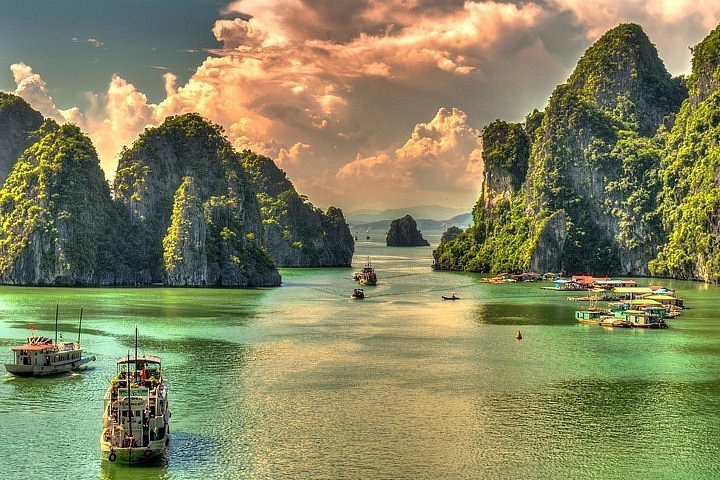
An island set in a rice paddy countryside, the provincial capital of Siem Reap City serves as the gateway to the millennium-old ruins of the Khmer Empire of Angkor.
Siem Reap City is where you will probably stay during your visit, just 15 minutes from the temples. The town offers a large and varied choice of accommodations, from boutique hotels and 5-star resorts to dozens of mid-range places and budget digs. But it’s the restaurants, shoping and nightlife where Siem Reap outdoes itself - the amazingly varied dining choices, the vibrant night scene, and uniquely Cambodian shopping opportunities.
The Angkor Archaeological Park encompasses dozens of temple ruins including the legendary Angkor Wat whose cultural significance and visual impact put it in a class with the world’s greatest monuments. And though the temples are very well touristed these days, it is still possible to capture a bit of the old spirit and discover Angkor...and Cambodia.
Try to set aside some time to experience a bit of Khmer culture and nature away from the town and temples: boat trips on the Tonle Sap, stilted villages and the bird sanctuary, silk farms, road tours through rural countryside and beyond.
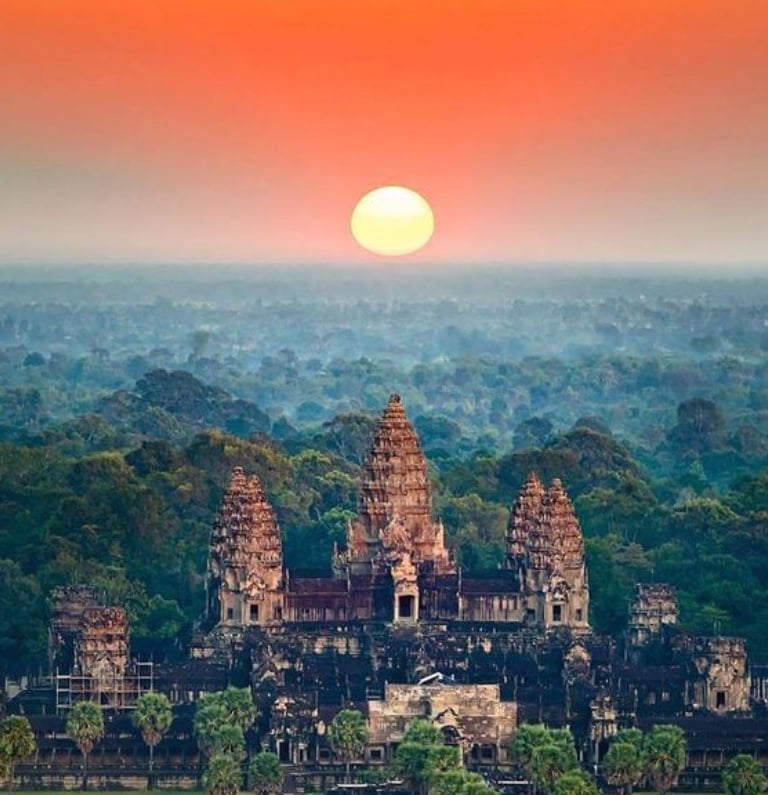
The Angkor Archaeological Park is one of the most significant ancient sites in the world and the historic heart of the Khmer Empire, which flourished between the 9th and 15th centuries. Spread across a vast area of forest, fields, and ancient reservoirs, Angkor is a UNESCO World Heritage Site and Cambodia’s most iconic cultural landmark.
The park encompasses dozens of major temples and hundreds of smaller ruins, reflecting centuries of Khmer religious belief, artistic achievement, and engineering skill. At its center stands Angkor Wat, the largest religious monument ever built, alongside other key sites such as Angkor Thom, the Bayon, and Ta Prohm.
Although accessed from Siem Reap, Angkor itself is a destination in its own right — a monumental archaeological landscape best explored with an understanding of its history, layout, and symbolism, and an essential starting point for a deeper exploration of the Angkor temples.
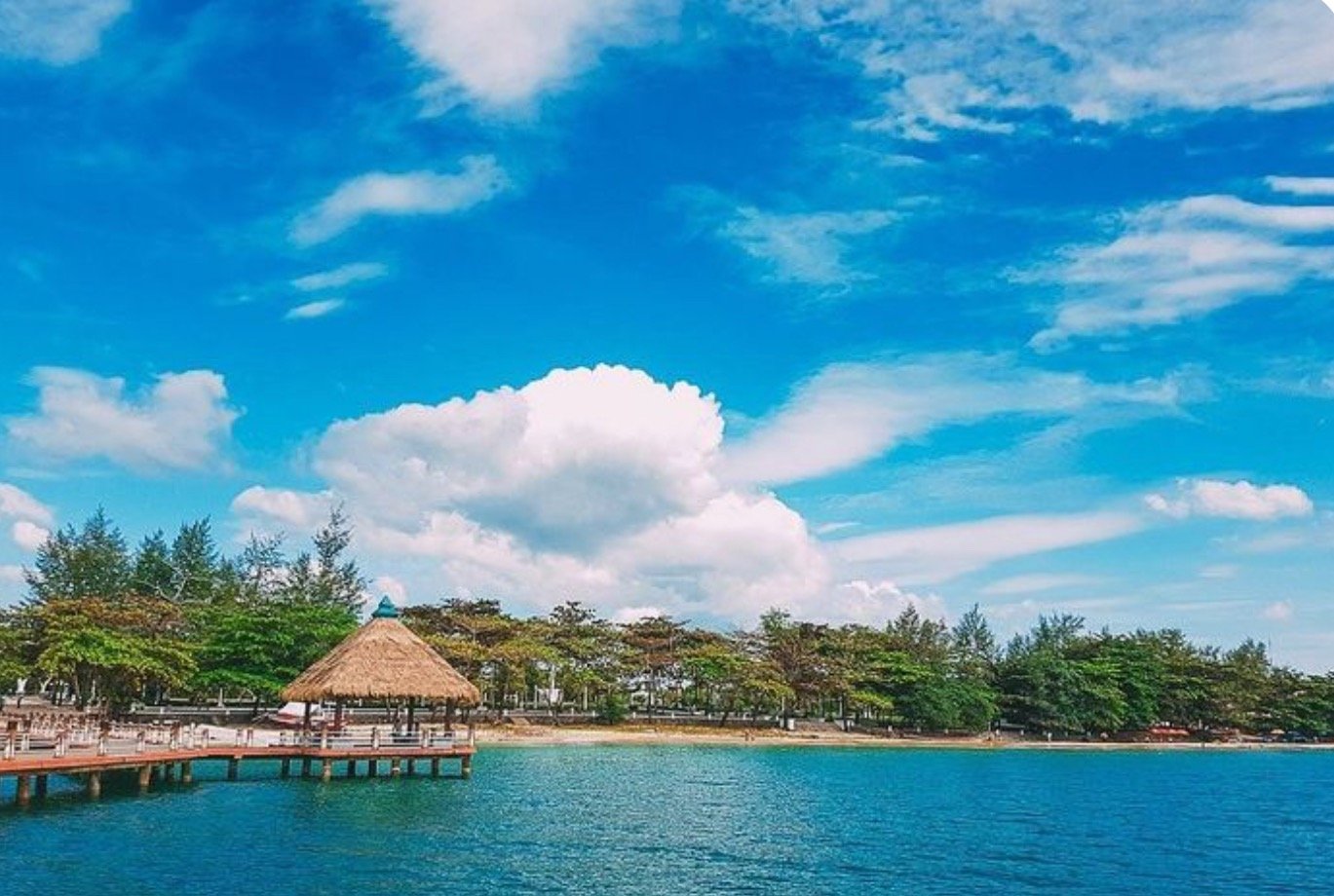
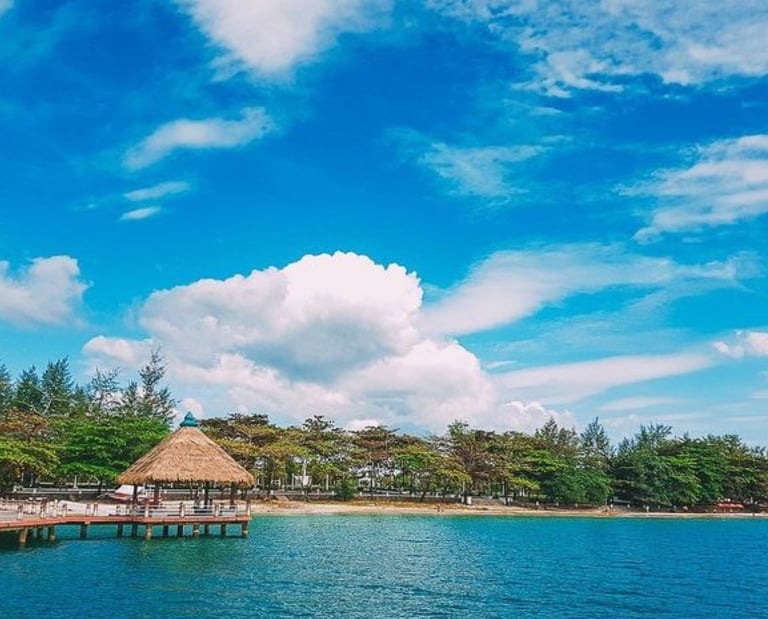
Sihanoukville is Cambodia's premier beach town, sporting miles of white sand beaches, some excellent seafood, a heady party scene, and several nearby tropical islands. The town sits on a peninsula jutting into the warm waters of the Gulf of Thailand. Beaches of fine pearl-white sand line the shore around the peninsula, each offering its own unique character, from the busy and popular Ochheuteal Beach to the secluded chill-out far end of Otres Beach.
The main beaches are lined with thatch roofed seafood shacks and bars offering cold drinks, umbrellas and chairs, BBQ and more. Sihanoukville is also a town that knows how to party and there’s no shortage of nightspots and beach parties late into the night. Sihanoukville is a place to unwind by the beach, enjoy the fresh seafood, party at the bars and happenings, go boating or scuba diving or use as a jumping off point to the islands.
The Islands of Cambodia
Paradise Found, briefly
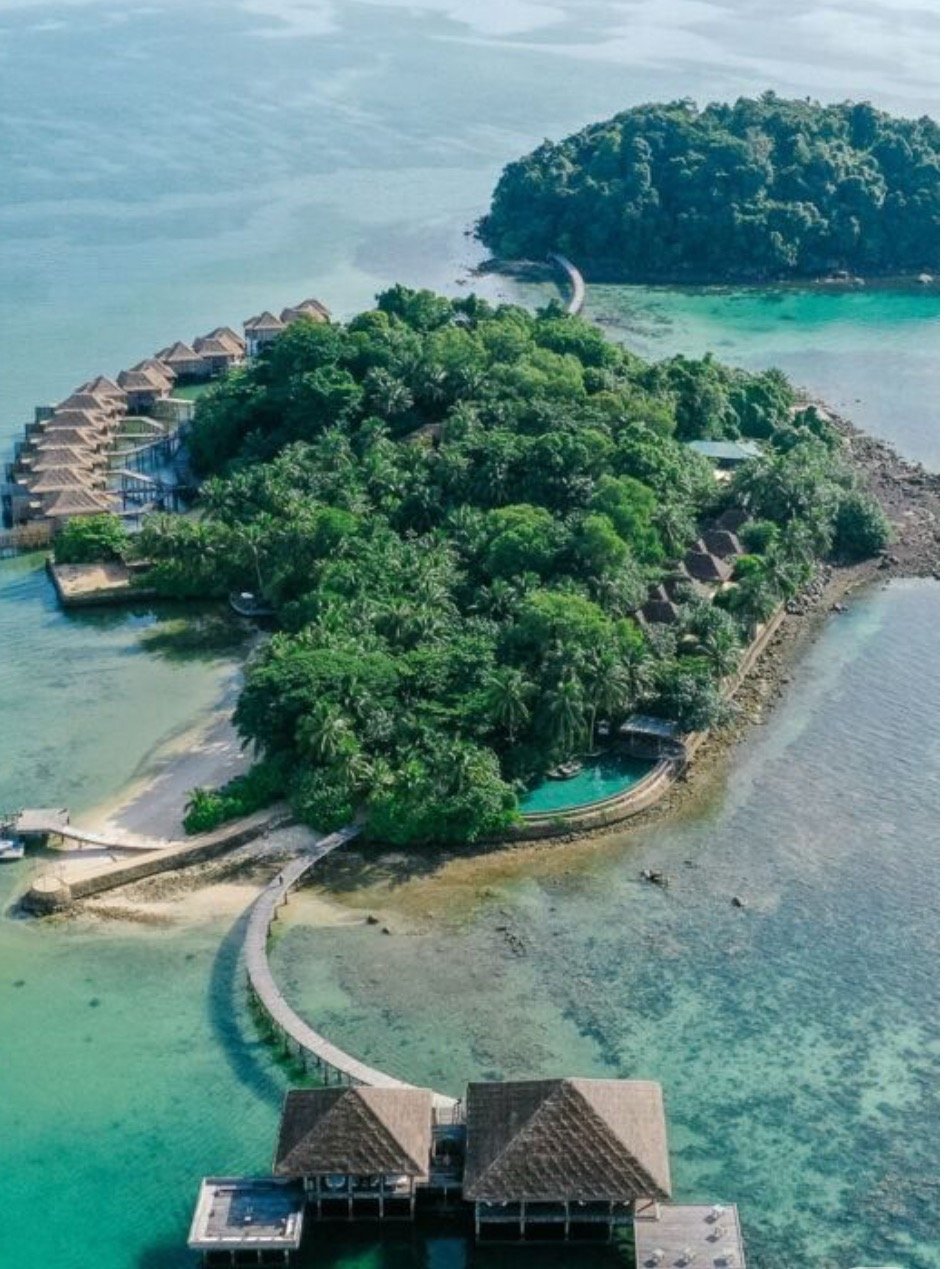
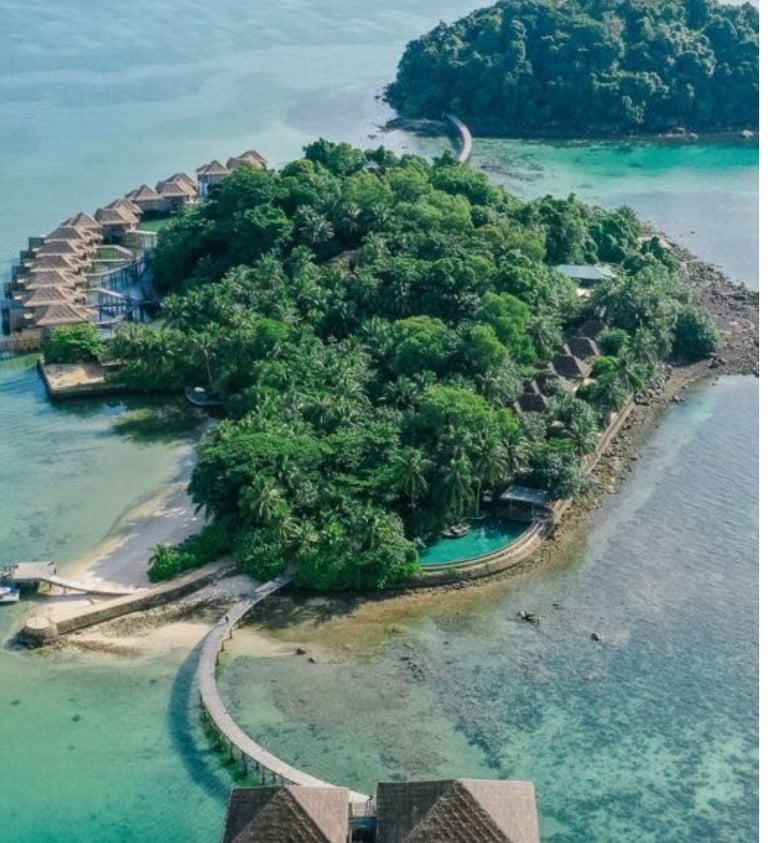
A side destination from Sihanoukville just a couple of years ago, the islands of the Koh Rong Archipelago have become destinations in their own right. Set in the turquoise-blue waters of the Gulf of Thailand 30-50 minutes off the Sihanoukville coast, the two big islands of Koh Rong and Koh Rong Sanloem are the most popular. Both have yet to see major development and though there are bungalows and resorts dotting most of the beaches, the islands still maintain a laid-back rustic charm not easily found elsewhere. The smaller islands of the archipelago like Koh Thmei and Koh Ta Kiev are completely undeveloped and offer a true Robinson Crusoe atmosphere. Most of the islands are slated for major development, so if you're looking to appreciate the rustic atmosphere, go sooner rather than later.
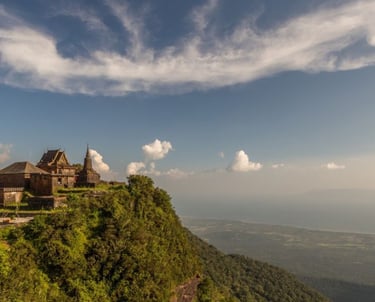
Kampot Cambodia
On the River...
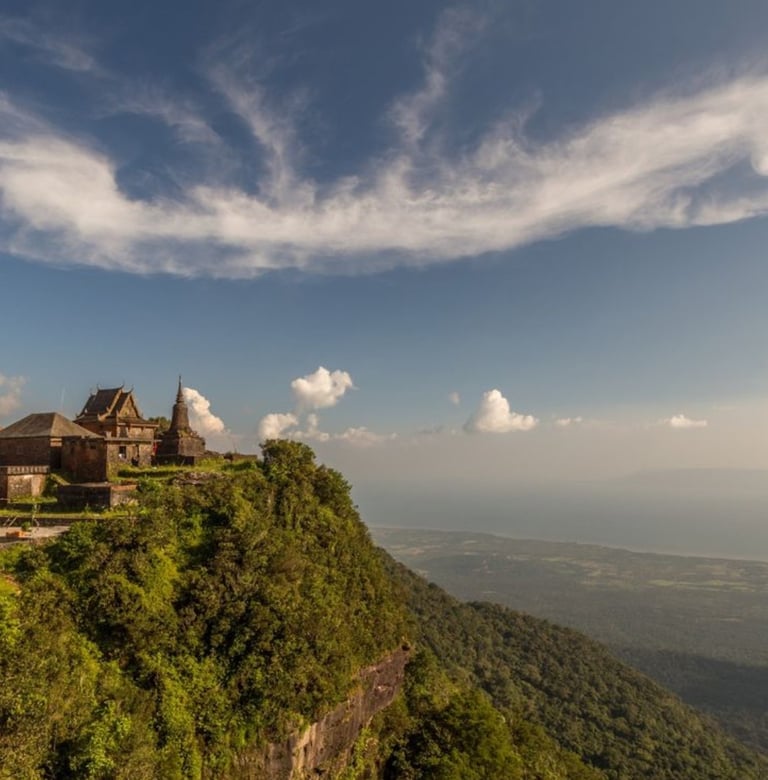
Kampot City sits along the east side of the Kampong Bay River near the base of the Elephant Mountains and is of quite different character than the beach town of Sihanoukville. The city is an old provincial capital of quiet lanes and colonial architecture, a bit worn but radiating a quaint, welcoming, small town ambiance. A partially destroyed bridge, bombed in the wars, though now unused, still sits city center, its unique haphazard appearance iconic Kampot.Kampot is a place to get a taste of provincial Cambodia, both urban and rural. The dining and nightlife scene, while still modest, is developing quickly, with several interesting new eateries in town, well worth exploring. For touring, use Kampot as a base to explore and tour the surrounding countryside, caves and pepper plantations, and as a stepping stone to the nearby beaches and islands of Kep, the Bokor Hill Station and the rest of southeastern Cambodia.
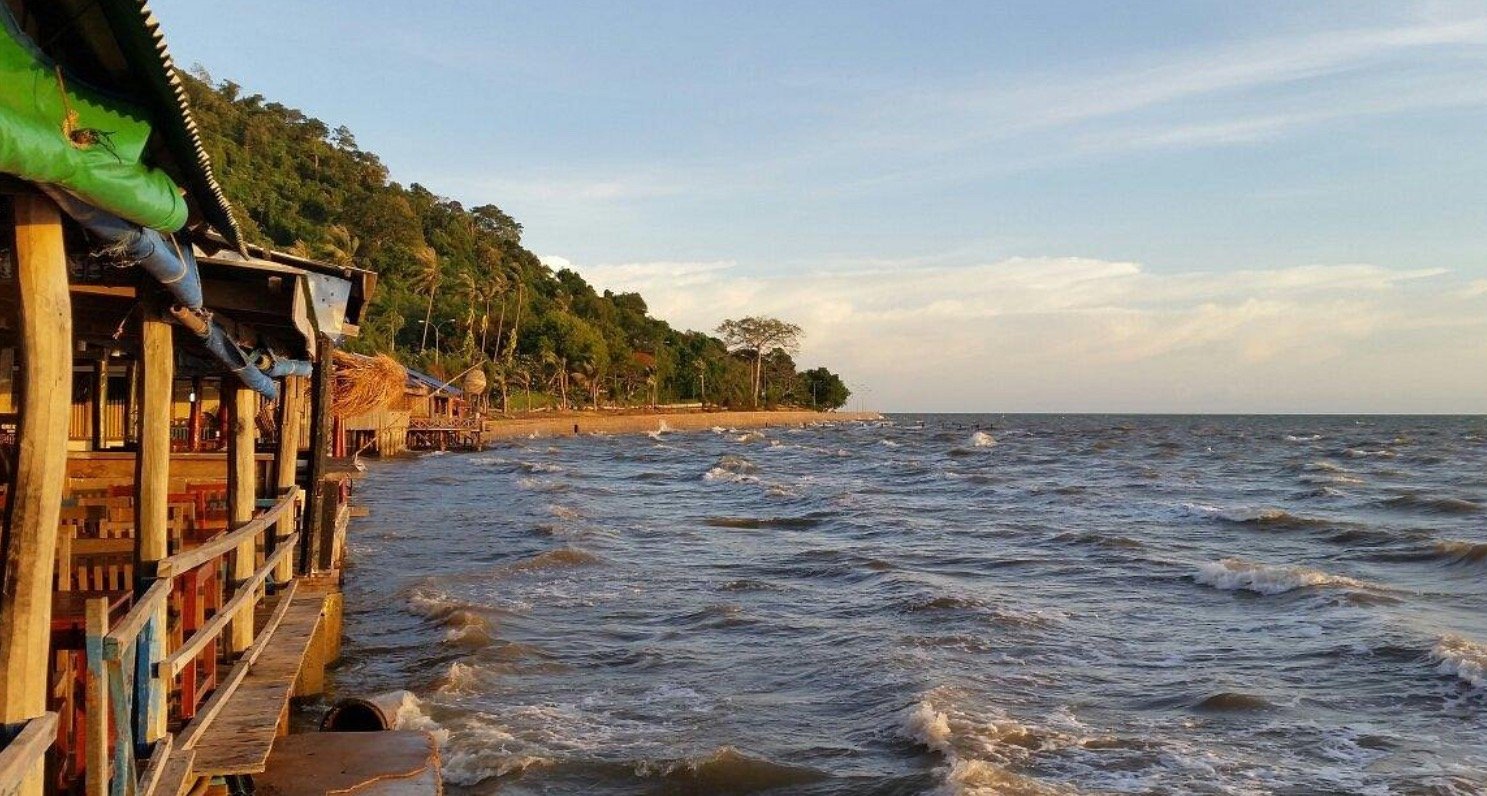
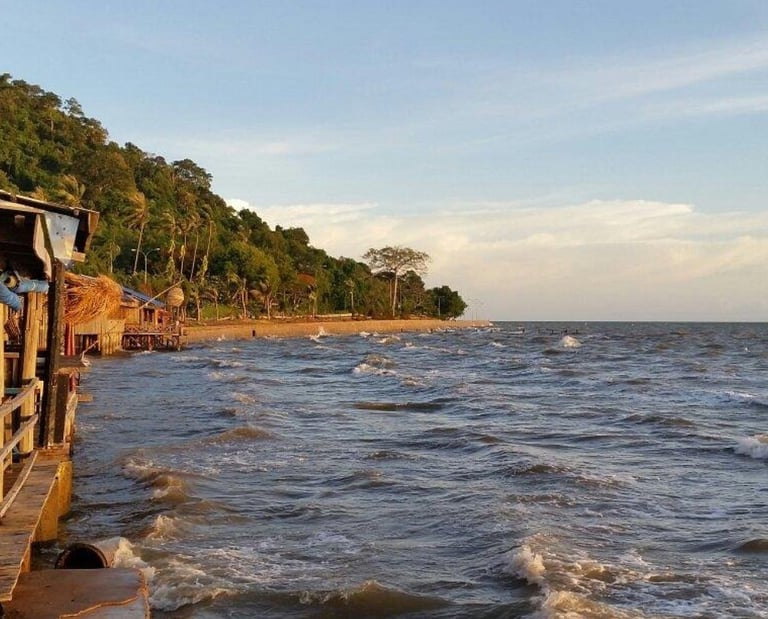
Kep Cambodia
Cambodia's Oceanside Retreat
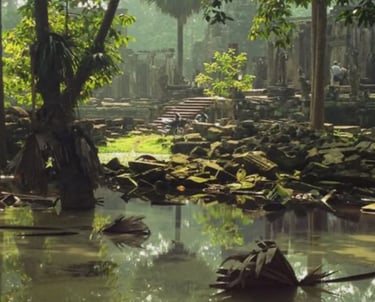
From the turn of the century through the 1960s Kep was Cambodia's premier beach town, drawing holiday-makers to its breezy shores and nearby Bokor Hill Station. Back in the day luxurious villas of the privileged class dotted the seaside. A few still remain, now ruined vestiges of an earlier era. These days Kep is known more for its oceanfront ‘Crab Market,’ excellent seafood dining and relaxed tropical atmosphere. A kilometer from the Crab Market a single short but picturesque sliver of sand, Kep Beach, sits at the southern tip of the peninsula where several guesthouses and restaurants are clustered. Though there are now dozens of hotels, guesthouses and even luxury resorts across the area, Kep still has a rustic getaway feel to it - jungled mountains, a quiet beach and oceanside crab shacks. Kep is a place to relax and dine by the seaside and use as a base to visit Rabbit Island (Koh Tunsay,) to explore the national park, to see the nearby caves and rural countryside.
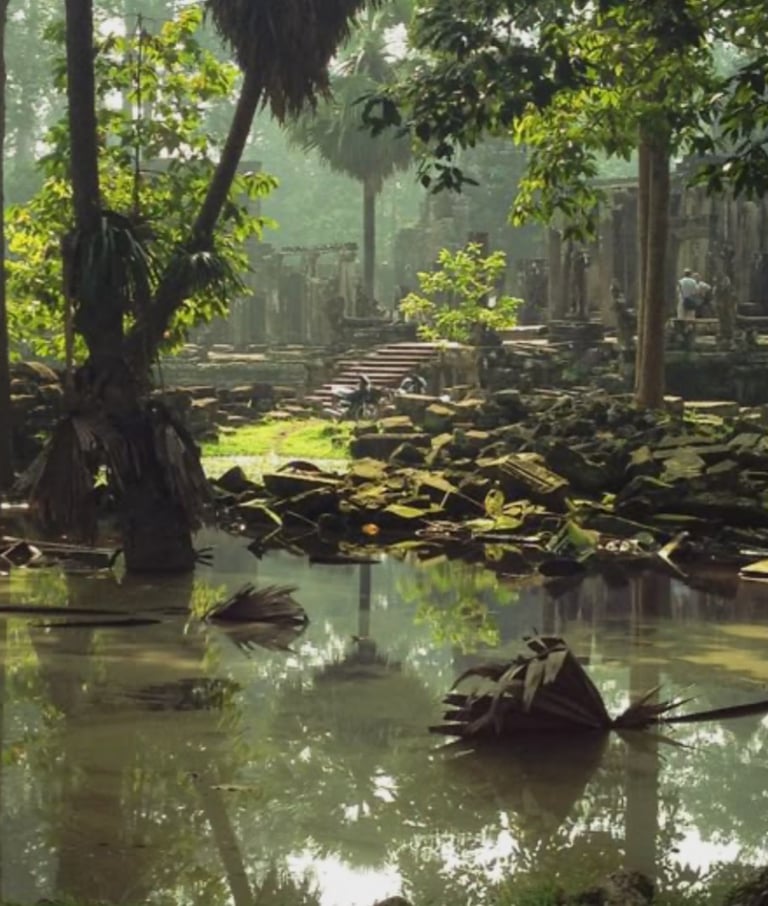
Koh Kong Cambodia
Mountains, Islands, Jungle and Border
Koh Kong City is the capital of Koh Kong province, a comparatively small town sitting on the east side of the Koh Pao River about 10km from the Cham Yeam border crossing with Thailand. Many travelers see Koh Kong only briefly as they pass through on the way to/from the border, but that is changing as the province becomes something of an eco-destination. Northeast of the city the jungled Cardamom Mountains cover much of the province, offering trekking, biking and river excursion possibilities. To the south secluded beaches line the coastline and nearby island of the same name as the city and province, Koh Kong. Base your adventures out of the city where you can arrange tours and trips. The selection of accommodations and dining in town is a bit limited but there is still a fair choice of budget and mid range hotels as well as a few good dining opportunities, including a couple of riverside places specializing in fresh seafood.
Battambang Cambodia
Cambodia's Second City
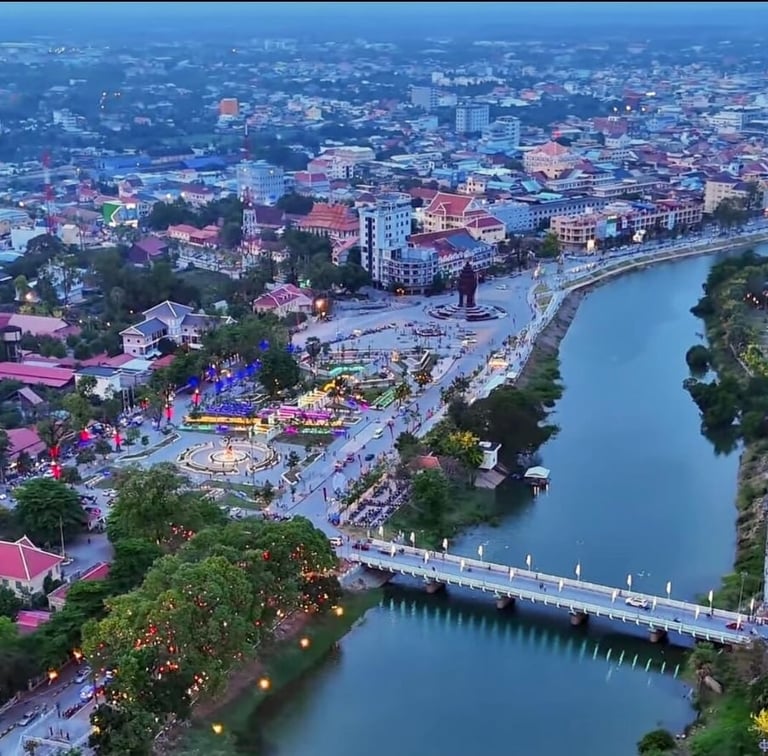
Battambang is a classically quaint provincial capital - old-world architecture and even older pagodas set picturesquely along a river, and even though the city is one of the country's largest, it is still lightly touristed. In town, charming colonial-era buildings line narrow lanes, including the ‘walking district’ near the market where contemporary art galleries, local and foreign cafes, bars and shops inhabit the old shophouses. Battambang is a place to explore the architecture and budding art scene, check out the local cuisine, and to use as a base for excursions into the nearby countryside.
Outside of town the scenery quickly becomes one of villages and rice paddies, offering an excellent opportunity to see a bit of rural Cambodia. The nearby countryside harbors several picturesque old pagodas, Angkorian era ruins, caves, mountains, waterfalls and the famous ‘bamboo train.’
Disclaimer: These recommendations are ONLY indications from the travel websites and the Consulate does not take any responsibility for their services. Kindly decide as per your requirements.
Credits: Content and images sourced from candypublications.com , tripadvisor.com , agoda.com , and pinterest.com and Google Images.
Address
Honorary Consulate of Cambodia, #3, Kengal Hanumanthaiah Rd, Bheemanna Garden, Shanti Nagar, Bengaluru, Karnataka 560027
Contact:
Phone: (+91) 80 4130 6767 ,
E-Mail: hc@cambodiaconsulate.in , yashi.dhariwal@cambodiaconsulate.in
Phone (for appointment schedule): (+91) 73489 22646
(+91) 80 2224 2999 , +91 98 44210133